| Current news |
|
|
|
Oak Knopper Galls |
The first acorns are appearing on the oaks, and
with them the first signs of the Knopper Gall produced by the gall-wasp
Andricus quercuscalicis. This is a
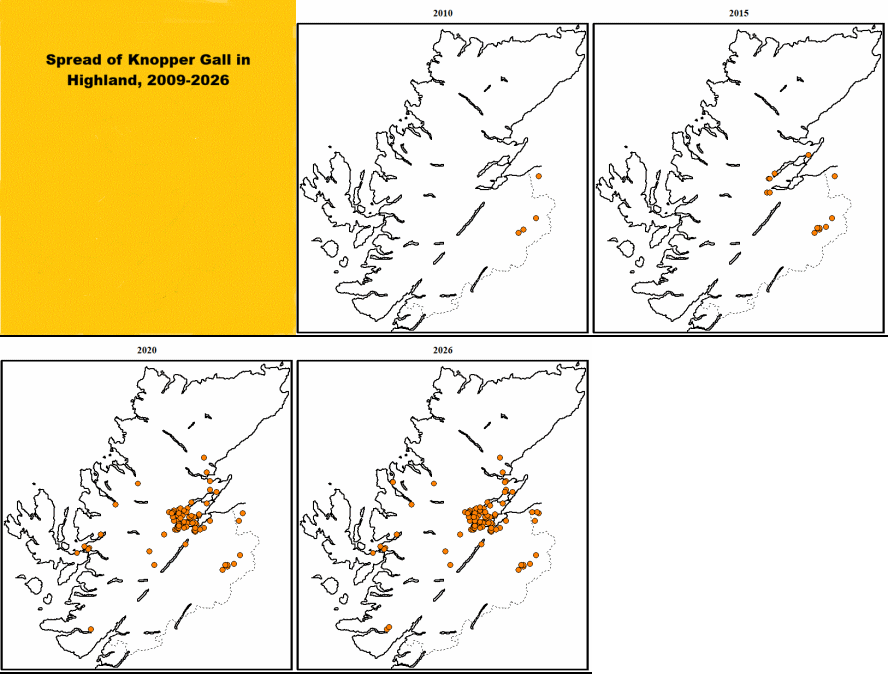
relatively recent arrival in the north, and it has spread rapidly as in
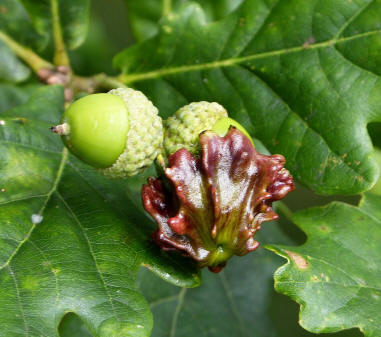
the animated map below. The unmistakeable galls form on the acorns
of Pedunculate Oak - the one with acorns on long stalks - and some hybrids. We have one record of its rare
occurrence on Sessile Oak.
The galls are very irregular in size,
shape and colour. Some examples are pictured on
the BPGS website. Note the somewhat similar
Andricus
grossulariae and
Andricus lucidus which occur on the acorn cup and which are not known from Scotland
(yet - the latter is moving north!).
If you find any, especially from the blank areas of the map, please email details to the
.
|
©
Gailhampshire
|
 |
|
******************** |
|
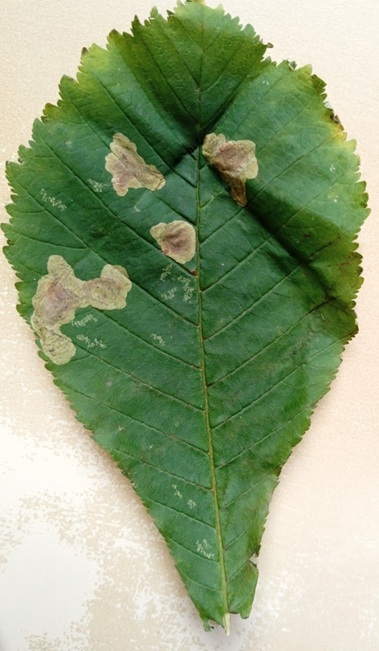
Horse-Chestnut Leaf-miner moth |
This moth,
Cameraria ohridella,
has spread rapidly since its first discovery in Europe in 1985, and through Britain since first recorded here in 2002.
For several years it has colonised widely in Edinburgh, but the
first to be recognised in Highland was S of Inverness in 2023, and in
2026 in several sites around Inverness and the
Black Isle. It was found in Dingwall - the farthest north so far
- in mid-October 2026. It is very likely that it is elsewhere in our
area, so please look carefully at any Horse Chestnut trees you
encounter.
You should consider confusion with the
fungus
Guignardia aesculi
but that is fairly easily recognised as different. In case of
doubt please send a photograph.
|
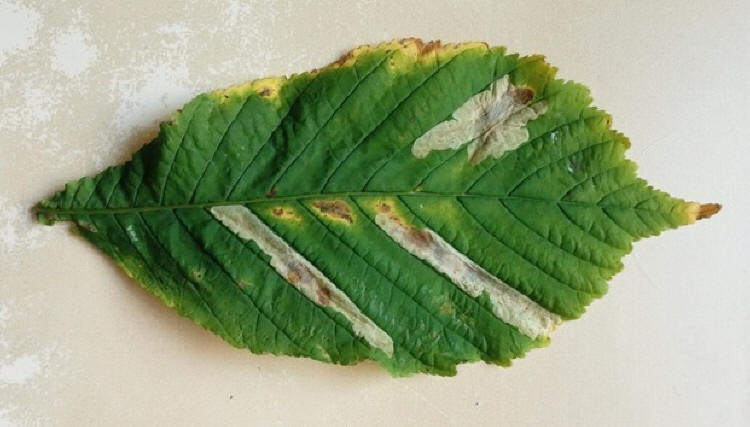
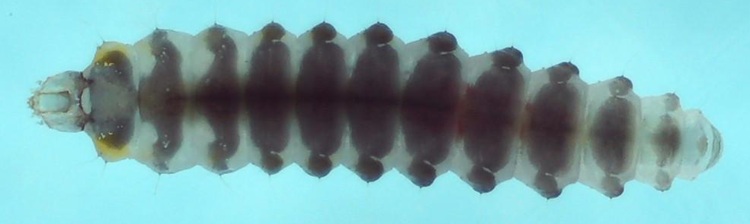
Top and right - the leaf mines. Bottom - late larva.
©
Murdo Macdonald
|
 |
Useful sites are
UK Moths,
Bladmineereders, and
UK Leaf-miners.
If you find any anywhere in Highland, please email details to the
.
|
|
******************** |
|
Harlequin ladybirds |
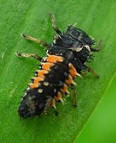
The discovery of a Harlequin Ladybird
Harmonia axyridis
in Tain recently reminds us that we should be vigilant. Although
there have been a few records in Highland over the last 15 years or so
this alien appears not to have established - yet. Information on
identification and its negative impacts on other ladybirds is available
here, and the range of variation is well shown in
this page. The larva is distinctive. All records should be
supported by a photograph.
If you find any please email details to the
. If you submit on other platforms (Ladybird Survey, iRecord or
others) please copy all details to the
too.
|

©
Entomart
|
©
Gailhampshire
|
|
******************** |
|
A distinctive harvestman |
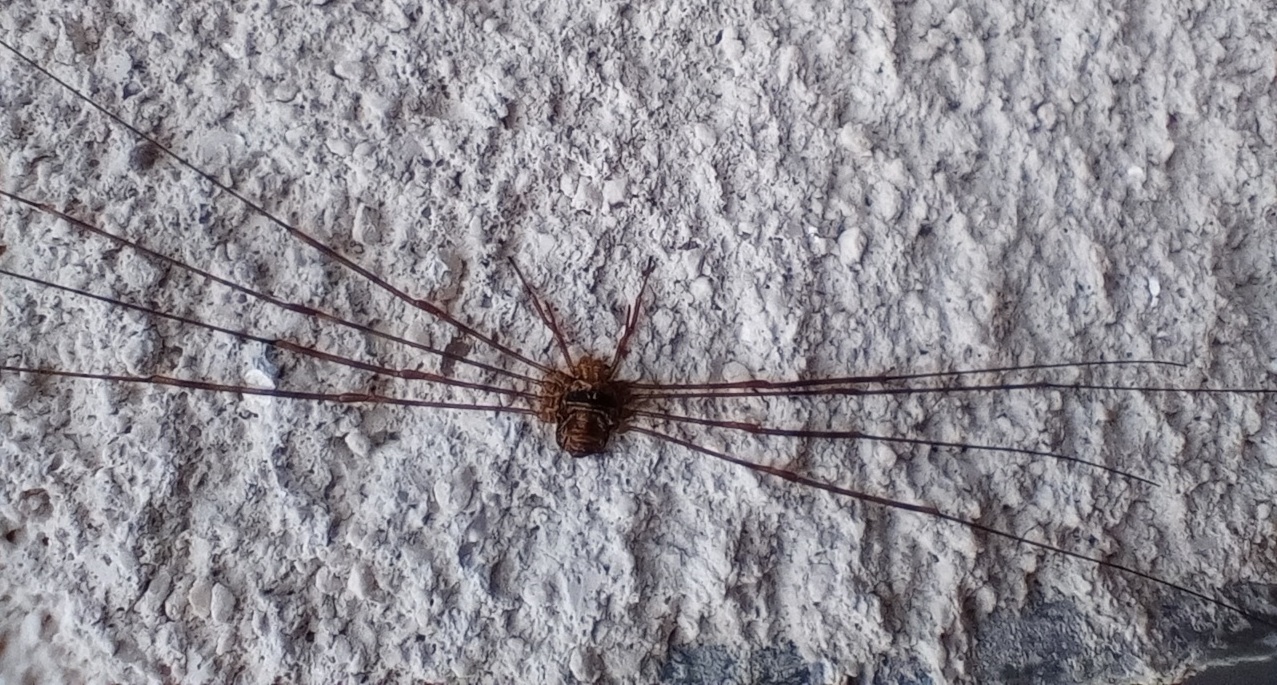
Harvestmen (Opiliones) are not usually easy to
identify, but one genus,
Dicranopalpus,
is very obvious in the field - especially as it is usually seen
spread-legged on whitewashed walls. The only species we know
occurs in Highland is D. ramosus and some experience, or a body and microscope, is needed to be sure of the species as
D. caudatus has been found in Fraserburgh.
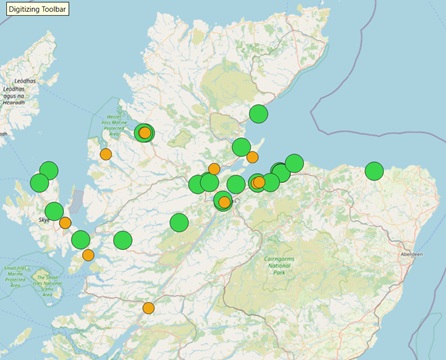
However, even genus records from the blank areas of Highland are
valuable. Green dots show confirmed D. ramosus;
orange dots show records where the species was not confirmed .
|
©
Murdo Macdonald |
©
Murdo Macdonald |
 |
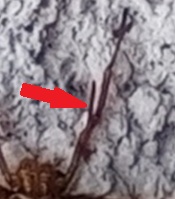
The spread-legged stance is very distinctive, and
the forked pedipalps will confirm the genus. Details of how to get
to species are given in
this paper.
If you find any, especially from the blank areas of the map, please email details to the
.
|
|
******************** |
|
Recording page |

Home page |
|

|